
Shingle, Metal & Commercial Roofing Deatsville
Deatsville is a town in Elmore County — a separate community with its own context, not interchangeable with Prattville, Millbrook, or Wetumpka. Roofing decisions here often involve larger residential lots, detached garages and workshops, and the question of whether shingles or metal better fit a given roof. This page compares asphalt shingle and metal options — including the difference between standing-seam and exposed-fastener systems — and covers the flashing, penetration, ventilation, and tree-adjacent maintenance concerns that shape a Deatsville roof plan. Town and county requirements are verified through current official authorities before any permit rule is stated as definite.
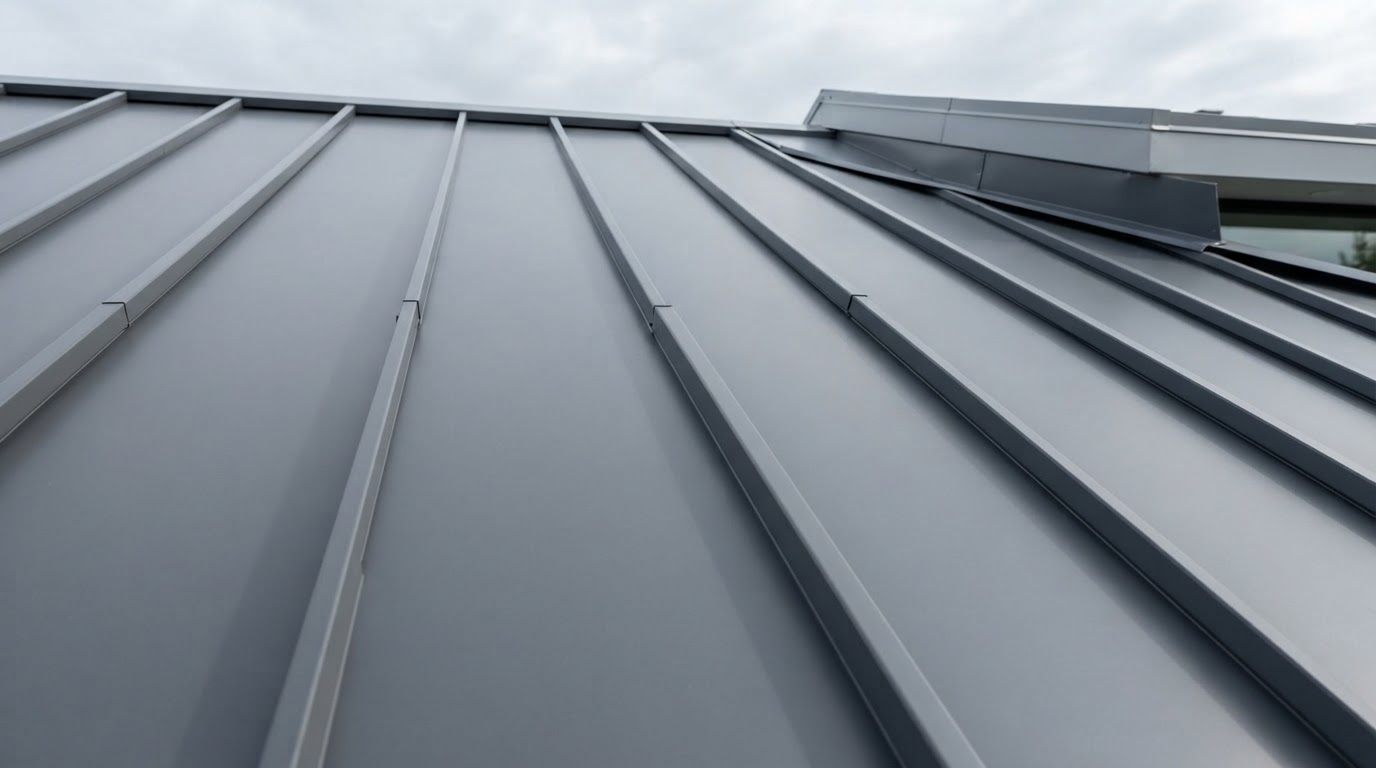
Shingle Roof Replacement and Repairs in Deatsville
Asphalt shingle replacement and repair, standing-seam and exposed-fastener metal, flashing and penetration repairs, storm assessment, and roofing for qualifying detached structures.
Asphalt Shingle Replacement
A full re-roof evaluates existing layers, decking, underlayment, flashing, and ventilation before a new shingle system is installed on a Deatsville home.
Learn moreStanding Seam Metal Roofing
Concealed-fastener standing seam selected against roof slope, style, and compatibility with the existing assembly — a durable option where the roof suits it.
Learn moreExposed-Fastener Metal Roofing
Through-fastened panels are a separate system with their own fastener and washer upkeep — not described as standing seam.
Learn moreRoof Leak Repair
Leak investigation separates the visible interior evidence from the likely exterior source rather than diagnosing from a stain alone.
Learn moreFlashing & Penetration Repairs
Chimney, valley, pipe-boot, and roof-to-wall flashing are evaluated as common leak origins on homes with varied roof geometry.
Learn moreStorm Damage Assessment
Visible conditions are documented safely without attributing damage to a specific event without verified evidence.
Learn moreRoofing for Detached Structures
Garages, workshops, and qualifying outbuildings use varied roof systems matched to the building — the company roofs the structure, it does not build it.
Learn moreRoof Inspections
A documented condition assessment supports repair, replacement, or maintenance decisions for the specific roof.
Learn moreRoofing Options for Homes and Detached Structures Near Deatsville
Metal and shingle systems have different installation and maintenance requirements — the choice follows the roof, the building, and the owner's goals.
Metal systems are not all the same. Standing-seam panels use concealed clips and a continuous seam that allows thermal movement and resists fastener exposure; exposed-fastener panels use through-screws with washers that age and need periodic inspection. The two have different installation methods, appearances, and maintenance profiles, and they are not treated as interchangeable. Roof framing suitability, substrate condition, slope, and drainage all influence which system fits a given Deatsville roof, and applicable approvals are confirmed before a material is chosen.
Roofing an occupied home is different from roofing a detached garage, workshop, or qualifying outbuilding. The main residence may involve ventilation, underlayment, ice-and-water protection at valleys, and detailed flashing at chimneys and penetrations, while a detached structure may use a simpler roof system suited to its framing and use. Roofing is the core service here — the company does not build the entire structure. Not every Deatsville property is wooded or rural, and not every accessory structure qualifies for identical materials or roof assemblies.
Roof the structure — don't assume one metal panel fits all
Roof Leak Assessments for Deatsville Homeowners
A practical sequence from the first concern through scope, access, approvals, and closeout.
1. Evaluate the Existing Roof
On-site review of the covering, flashing, penetrations, drainage, and accessible interior evidence for the specific property.
2. Identify Penetration Leakage
Chimney, pipe-boot, valley, and roof-to-wall flashing are checked as common leak origins before the shingle field is blamed.
3. Weigh Shingle Versus Metal
Architectural shingles, standing-seam, or exposed-fastener metal weighed against slope, building type, budget, and compatibility.
4. Plan Material Delivery and Access
Larger lots may mean longer staging distances, overhead clearance, and protecting landscaping and outbuildings during the work.
5. Develop the Scope
A written scope reflecting the actual findings — including any ventilation, decking, or detached-structure work — rather than a generic package.
6. Approvals, Work, Closeout
Town and county jurisdiction verified for the parcel; work performed in keeping with the agreed scope, followed by cleanup and maintenance guidance.
Planning Material Delivery and Roof Access in Deatsville
Deatsville is a separate town in Elmore County — its permitting rules do not automatically mirror Prattville, Millbrook, or Wetumpka, and town and county requirements are verified through current official authorities.
Deatsville is a town in Elmore County — a separate community whose permitting rules do not automatically mirror Prattville, Millbrook, or Wetumpka. Whether a roofing project requires a permit, inspection, or plan submittal depends on the scope and the specific property, and town and county requirements are verified through current official authorities before any permit rule is stated as definite. No municipal website or ordinance is quoted without verification, and the City of Montgomery's like-for-like guidance is not automatically applied to a Deatsville address.
Material delivery and roof access can shape a Deatsville project, especially on properties with larger lots or longer driveways. Driveway access, overhead clearance for delivery, room to stage a debris container, and protection of landscaping and nearby outbuildings are noted up front. If tree-adjacent roofs are a concern, maintenance planning accounts for limb and debris management without the company claiming to operate a tree-removal crew.
Roofing Options for Homes and Detached Buildings in Deatsville
Choosing roofing materials by building type, roof maintenance and surrounding conditions, and repairing components before larger problems develop in Deatsville.
Choosing Roofing Materials by Building Type
Roofing material is selected for the building, not the community. An occupied residence in Deatsville may suit architectural shingles where the slope and style fit, or standing-seam metal where a different appearance and maintenance profile are wanted. Exposed-fastener metal panels are a separate system with their own fastening and upkeep, evaluated distinctly rather than as a cheaper version of standing-seam. A detached garage or workshop may use the same material as the home or a different one, matched to the structure's slope, framing, and intended use — not every accessory building suits the same roofing system. No material is described as universally superior, and the choice follows the roof's geometry and the owner's maintenance expectations. The metal roofing page covers how those systems are compared.
Roof Maintenance and Surrounding Conditions
Roof maintenance is shaped by the roof and its setting. Debris from overhanging branches, granule loss in gutters, flashing at penetrations and valleys, and the gutter-to-roof-edge transition each affect how the roof sheds water, and each is evaluated on the specific property. Tree coverage and site conditions vary by property — some Deatsville homes sit in open lots and others among mature trees — so maintenance planning follows the actual exposure rather than an assumed condition. A roof that sheds water properly depends on drainage, flashing, and the covering working together, not on any one component alone.
Repairing Roofing Components Before Larger Problems Develop
A targeted repair — a failed pipe boot, a single damaged valley, or a worn flashing detail — is appropriate when the surrounding material is sound. Repeated leaks in separate areas, widespread shingle wear, or concealed decking damage can signal that a broader evaluation or replacement is more dependable than another repair. Catching a small problem early can keep it localized, but the right scope follows what an on-site assessment finds rather than a fixed rule. The roof repair page describes how those decisions are made for the individual roof.
Roofing Questions About Deatsville
Local questions on shingle versus metal, detached structures, tree exposure, and jurisdiction.
Should I choose shingle or metal roofing for my Deatsville property?
Both can be appropriate. Architectural shingles are a common residential choice for appearance and budget; standing-seam metal is durable where the roof's slope and style suit it. Exposed-fastener panels are a separate, lower-cost system with their own fastener and washer upkeep. The choice follows the roof's slope, the building's style, the owner's goals, and the compatibility with the existing assembly — not a universal preference.
What is the difference between standing-seam and exposed-fastener metal?
Standing-seam panels use concealed clips and a continuous folded seam that hides the fasteners and allows thermal movement; exposed-fastener panels are through-screwed with visible washers that age and need periodic inspection. They have different installation methods, appearances, and maintenance profiles and are not treated as interchangeable. The roof's slope, framing, and design help determine which fits.
Can you roof a detached garage or workshop in Deatsville?
Roofing for a detached garage, workshop, or qualifying outbuilding may be appropriate where the building and the responding provider's confirmed scope support it. The roof system is matched to the structure's framing and use — the company roofs the building, it does not build the entire structure. Not every accessory structure qualifies for identical materials or roof assemblies.
How does tree exposure affect roof maintenance?
Roofs near mature trees need attention to limb and needle debris in valleys, gutters, and roof-to-wall transitions, where trapped moisture can accelerate wear. Maintenance planning accounts for debris management, but the company does not claim to operate a tree-removal crew — a qualified tree professional handles limb work that threatens the roof.
What are signs of roof penetration leakage?
Water entry near a chimney, pipe boot, vent stack, valley, or roof-to-wall transition often points to the flashing detail rather than the shingle field. A ceiling stain rarely maps directly to the entry point above it, because water can travel along framing. Leak investigation distinguishes the visible evidence from the likely source rather than diagnosing from a stain alone.
What should a roof replacement estimate include here?
A complete estimate reflects the existing layers, decking condition, underlayment, flashing at penetrations and transitions, ventilation, and drainage — not just the visible covering. It is based on the actual findings from an assessment rather than a generic package, and it states the specified material and installation system, including any detached-structure work.
How are local jurisdiction and permits confirmed for a Deatsville property?
Deatsville is a town in Elmore County — its permitting rules do not automatically mirror Prattville, Millbrook, or Wetumpka. Whether a project needs a permit or inspection depends on the scope and the specific property, and town and county requirements are verified through current official authorities before any permit rule is stated as definite. The City of Montgomery's like-for-like guidance is not automatically applied to a Deatsville address.
Deatsville in the Region
An accurate town reference and related nearby service areas.
Deatsville is a town in Elmore County, Alabama. This page describes roofing considerations for properties in Deatsville — it does not represent a branch office inside the town, and Deatsville is not treated as interchangeable with Prattville or Elmore. The three share a broader regional context but have distinct town or community jurisdictions, and their permitting rules are verified separately.
Regional coverage context only · town · not a contractor office or fabricated boundary
Request a Roofing Quote in Deatsville
Share the property location, the roofing concern, the roof material if known, and any detached-structure or access notes. An assessment documents the visible conditions, weighs shingle against metal and repair against replacement, and confirms the correct town or county jurisdiction for the specific parcel.