
Roof Financing Montgomery
A major roof replacement is a significant expense, and how you pay for it is a separate decision from which roof you install. This page educates homeowners about budgeting for a roofing project, the difference between paying cash and financing, questions to ask a financing provider, and how to compare replacement estimates. It does not advertise rates, name financing partners, or claim that a specific financing program is currently available — those details must be verified before any financing offer is presented.
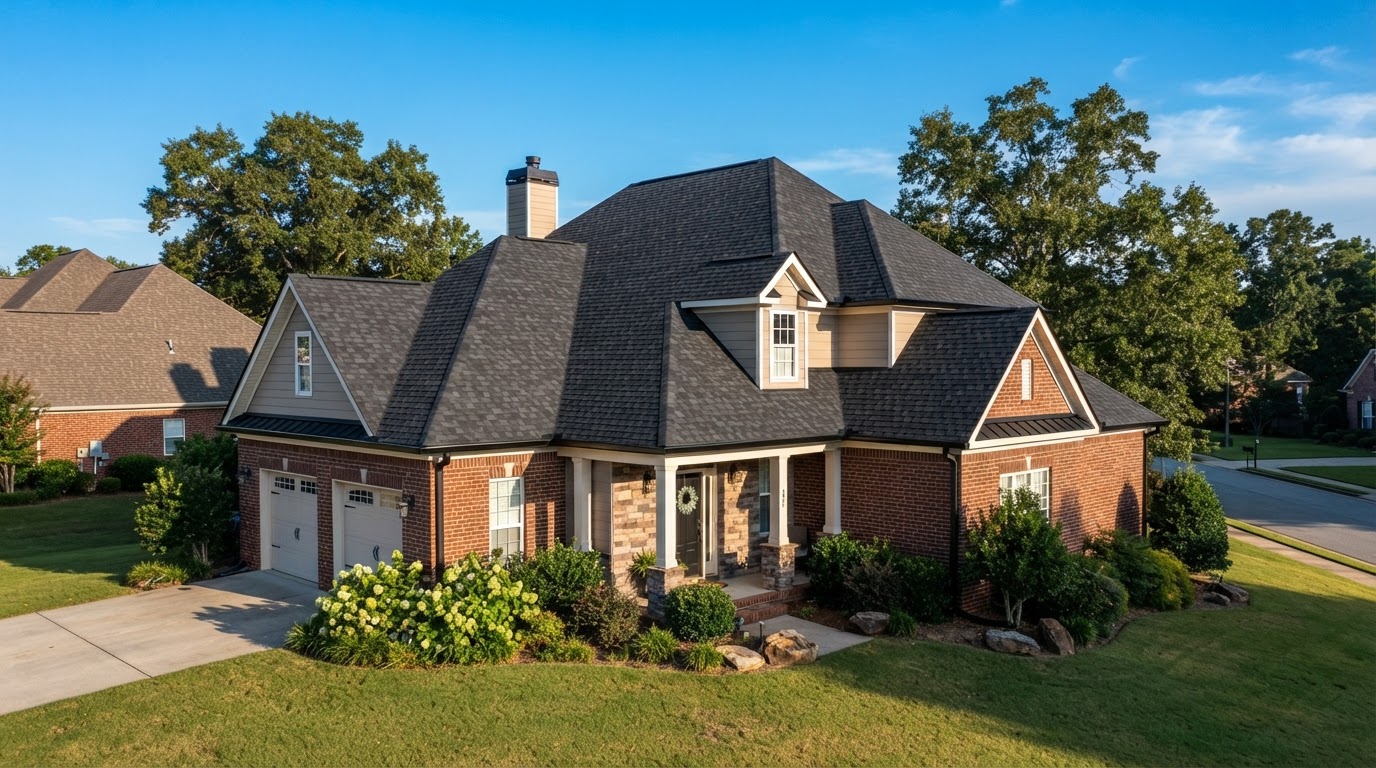
Budgeting for a Roofing Project: Cash Versus Financing
Roof replacement budgets are built around the roof's actual condition and the scope that matches it — not a generic package. A documented inspection identifies the covering, decking, flashing, ventilation, and drainage work the project includes, and an estimate reflects those findings. How the total is then paid — from savings, a financing option, or a combination — is a separate financial choice.
Paying Cash
Paying from savings avoids interest and financing costs and keeps the project a single transaction. The trade-off is the amount of cash on hand at once for a major expense.
Financing the Project
Financing spreads the cost over time, which can help when savings are limited or when other priorities compete. It adds interest, fees, and monthly obligations that should be understood before any agreement is signed.
Combining Sources
Some homeowners combine partial savings with financing for the remainder. The right mix depends on the project total, available cash, and the terms available to that borrower.
Scope Drives the Total
The estimate reflects the actual roof — full replacement, partial replacement, or repair — and the material, flashing, ventilation, and drainage work included. Financing decisions follow the real scope, not the other way around.
Questions for Financing Providers and Comparing Estimates
Before agreeing to any financing, understand the terms. Ask about the annual percentage rate, the total amount repayable over the full term, whether the rate is fixed or variable, any origination or prepayment fees, the payment schedule, and what happens if a payment is missed. The cost of credit is part of the project's real cost, not an afterthought.
Understanding Loan Terms
The APR, term length, monthly payment, and total of payments together describe the real cost. A low monthly payment over a long term can still cost far more in interest than a shorter term at the same rate.
Questions to Ask a Provider
Ask whether the rate is fixed, whether prepayment is allowed without penalty, what fees apply, how the loan is secured, and what the total repayable amount is — in writing — before signing.
Comparing Roofing Estimates
Compare estimates on scope, material, tear-off, and whether flashing, ventilation, and drainage work are included — not on price alone. The lowest estimate may exclude work the roof actually needs.
Not a Verified Financing Offer
This page does not represent an active, verified financing program, advertise rates, or name partners. Any financing must be confirmed available and its terms disclosed by a qualified, authorized provider before it is offered.
A documented roof inspection supports an accurate estimate, which in turn supports a realistic budget and financing decision. The inspection comes first; the payment method follows the real scope.
Roof Financing Questions From Montgomery Homeowners
Does this website offer roof financing?
This page is an educational resource about project budgeting. It does not advertise rates, name financing partners, or claim that a specific financing program is currently available. Any financing must be confirmed available and its terms disclosed by a qualified, authorized provider before it is offered.
Should I pay cash or finance a roof replacement?
That depends on your savings, the project total, and the terms available to you. Paying cash avoids interest and fees; financing spreads the cost but adds them. Some homeowners combine partial savings with financing. The right choice is a financial decision made after the real project scope and estimate are known.
What questions should I ask a financing provider?
Ask whether the rate is fixed or variable, the total amount repayable over the full term, any origination or prepayment fees, the payment schedule, how the loan is secured, and what happens if a payment is missed. Get the terms in writing before signing.
How do I compare roof replacement estimates?
Compare estimates on scope, material, tear-off assumptions, and whether flashing, ventilation, and drainage work are included — not on price alone. The lowest estimate may exclude work the roof actually needs, and a documented inspection supports an apples-to-apples comparison.
Does a low monthly payment mean a cheaper roof?
Not necessarily. A low monthly payment stretched over a long term can cost more in total interest than a shorter term at the same rate. The annual percentage rate and total of payments — not the monthly payment alone — describe the real cost of credit.
How do I start planning a roof replacement budget?
Share the roof material, approximate age, and the roofing concern through the quote form. A documented inspection identifies the real scope, which supports an accurate estimate and a realistic budget — the payment method follows the actual work, not the other way around.
Plan a Roof Replacement Budget in Montgomery
Share the roof material, approximate age, and the roofing concern. A documented inspection supports an accurate estimate, which in turn supports a realistic budget and an informed decision about how to pay for the work — without advertised rates or an unverified financing offer.