
Roof Replacement Before Selling Your Home in Montgomery
Before listing, the question is rarely 'replace or not' in the abstract — it is whether your roof's condition needs attention, and whether repair, replacement, or simply documenting the condition is the right call. This guide walks through that decision without promising a sale outcome.
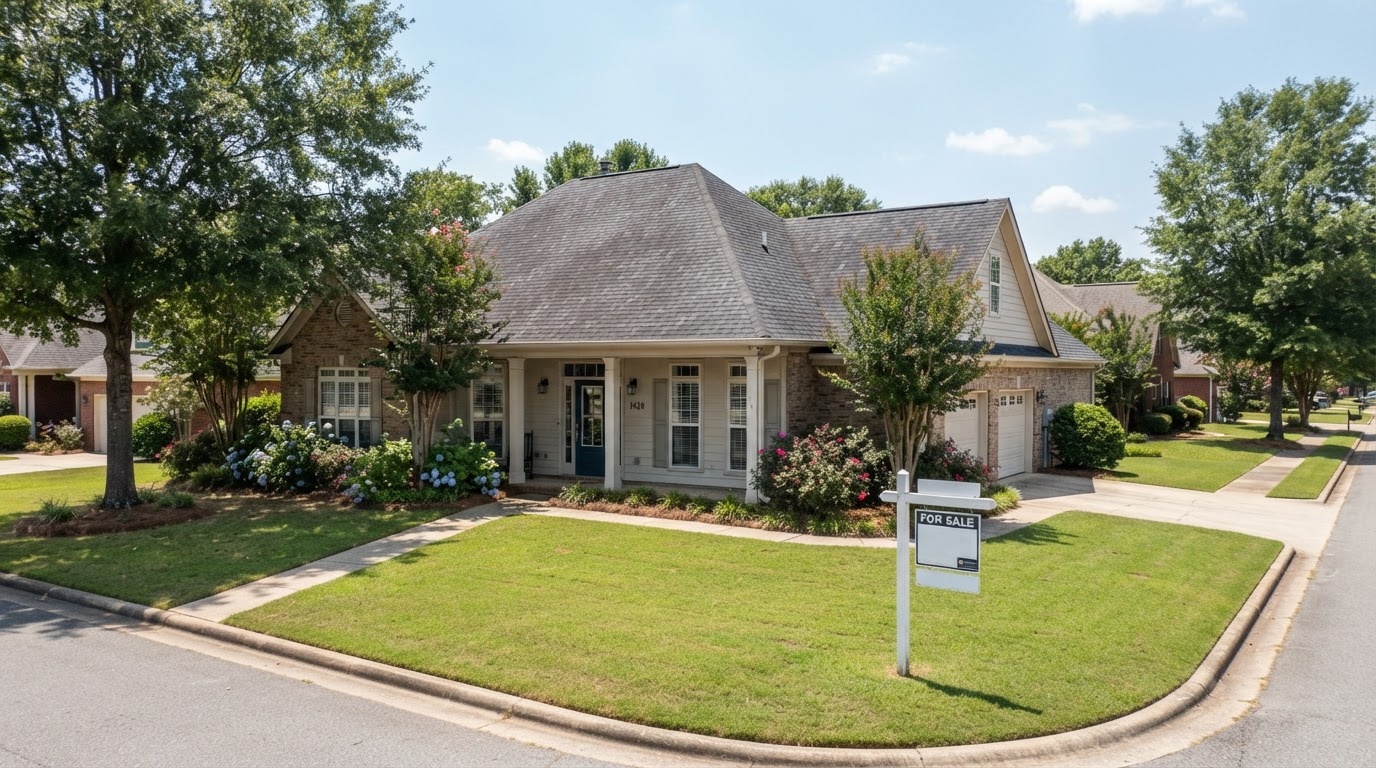
The Pre-Sale Roof Decision: Repair, Replace, or Assess First
Start with the roof's condition — not with an assumption that every sale needs a new roof.
When you are preparing to sell, the roof can become one of the first things a buyer's inspector, a lender's appraiser, and an insurer ask about. The practical choice is usually one of three: repair a specific defect, replace a roof that has reached the end of its useful life, or document a serviceable roof's condition and price the home accordingly. Which one fits your sale depends on what an on-site assessment finds — not on a blanket rule that every home needs a new roof before it can sell.
What a replacement will not do is guarantee a higher sale price, a faster closing, a particular return on investment, or buyer acceptance. A new roof can be a positive factor in a transaction, but the sale outcome depends on the overall property, the market, the buyer, and the terms — none of which a roof alone determines.
No guaranteed sale outcome
Signs the Roof Deserves Attention Before Listing
Conditions that a buyer's inspection or a lender's review is likely to flag.
Active or recurring leaks
Water entry that has appeared or returned is likely to surface in a buyer's inspection.
Missing or damaged shingles
Visible gaps, creased, or displaced shingles are the kind of defect an inspector notes.
Deteriorated flashing
Failed or aging flashing at valleys, walls, and penetrations can prompt repair questions.
Age-related wear
Curling, cracking, or granule loss consistent with an older roof may draw buyer scrutiny.
Damaged or sagging decking
A visible dip or softness can indicate conditions beyond the shingle surface.
Repeated repair history
A roof that has been patched repeatedly may signal an underlying issue.
Home-inspector findings
A pre-listing inspection that flags the roof is a direct signal worth addressing.
Metal roof defects
Corrosion, failed fasteners, or vulnerable panel details on a metal roof deserve evaluation.
Age alone does not automatically establish that replacement is necessary. A well-maintained older roof may still be serviceable; a newer roof with a defect may need a repair. The decision should rest on observed condition, not on the year alone.
Repair Versus Replacement Before a Sale
A condition-and-tradeoff comparison — not a guarantee of which choice is right.
| Condition | When a Repair May Fit | When Replacement May Fit |
|---|---|---|
| Isolated defect | Single damaged flashing, a few shingles, one failed pipe boot | Defect is part of broader system-wide deterioration |
| Multiple failing areas | Defects are unrelated and individually repairable | Leaks and damage appear across several slopes or valleys |
| Material age | Roof is mid-life and otherwise sound | Roof is near or past its expected service life |
| System compatibility | Existing materials accept a compatible repair | Repairs would mix incompatible materials or layers |
| Buyer landscape | Market tolerates an older roof with a documented condition | Buyers or lenders are likely to require replacement |
| Timeline & budget | Timeline or budget favors a targeted repair | Time and budget allow a full replacement before listing |
This table describes conditions and tradeoffs, not guaranteed outcomes. The right choice depends on what an on-site assessment actually finds.
Preparing for Buyer Inspections and Financing Questions
Buyers, inspectors, appraisers, insurers, and lenders each look at the roof differently.
A buyer's home inspector, a lender's appraiser, and a buyer's insurer can each reach a different view of the same roof. An inspector may flag a condition; an appraiser may note remaining service life; an insurer may condition coverage on repair or replacement. A roofing quote or condition report describes the roof — it is not a substitute for any of those determinations, and it does not bind a lender or insurer's decision.
VA and FHA transactions. For government-backed loans, roof condition is part of the appraisal and program requirements. Any specific VA or FHA requirement should be checked against current official guidance — see our VA & FHA roof certifications resource. Completing a roof replacement does not automatically make a property eligible for a particular loan.
The practical approach is to document the roof's condition early, understand what each party in the transaction may ask, and let the condition — not a guess — drive the repair-or-replace decision.
Planning Work Before a Listing or Closing
Realistic scheduling keeps the roof from becoming a last-minute obstacle.
Schedule an assessment
Establish the roof's actual condition before deciding scope.
Review repair and replacement options
Compare scope, materials, and timing against your sale plan.
Confirm material selections
Lock in product availability before the listing date arrives.
Account for permits
Where required, permitting adds time that should be planned, not improvised.
Plan around weather
Alabama weather windows affect both assessment and installation dates.
Document the work completed
Retain scope, invoices, and warranty paperwork for disclosure and buyer questions.
Seller-disclosure questions are legal questions. What you must disclose in a sale is governed by Alabama law and your transaction documents. We do not provide legal advice about disclosure obligations — direct those questions to a qualified Alabama real-estate attorney or your transaction professional.
Frequently Asked Questions About Pre-Sale Roof Replacement
Clear answers about condition, timing, and transaction planning.
01.Should I replace my roof before selling in Montgomery?
It depends on the roof's actual condition and your sale priorities, not on a universal rule. If the roof has active leaks, missing or damaged shingles, or visible age-related wear that a buyer's inspection is likely to flag, replacement may be worth weighing. If the roof is serviceable, a documented assessment — and pricing the home accordingly — may be a better fit. The right choice is based on condition, timeline, and the buyer landscape, not on the assumption that every sale needs a new roof.
02.Can I sell a house with an older roof?
Yes. Homes with older roofs sell regularly. What changes is the conversation: an older roof may prompt buyer questions, inspection contingencies, or financing-condition requests, and it may influence how the home is marketed and priced. None of that prevents a sale. The question is whether you want to address the roof before listing, during the transaction, or through the sale terms — and an assessment can inform that choice.
03.Will a roof repair be enough for a buyer's inspection?
Sometimes. An isolated, repairable defect — a damaged flashing detail, a few missing shingles, a failed pipe boot — can often be addressed with a targeted repair. When the roof is broadly aged, leaking in multiple places, or near the end of its useful life, a buyer's inspector may describe conditions that a spot repair will not satisfy. An assessment helps distinguish a localized fix from a broader condition.
04.Does a new roof guarantee a higher sale price?
No. A new roof can be a positive factor in a transaction and may appeal to buyers, but it does not guarantee a specific sale price, a faster sale, or a particular return on investment. Sale price depends on the overall property, the market, the buyer, and the terms. We do not promise that replacing a roof produces a guaranteed price increase or ROI.
05.What happens if roofing damage is found before closing?
If a buyer's inspection, an appraisal, or an insurer's review identifies a roofing condition before closing, the parties typically negotiate how to handle it — a repair, a replacement, a credit, or an adjusted price — within the contract terms. The lender and program determine what must be resolved for financing to proceed. Finding damage does not automatically stall or cancel a sale, but it does create a decision point.
06.Can replacement be scheduled before a listing goes live?
Often, yes, with enough lead time. If you want the roof completed before listing, the assessment, material ordering, weather, and scheduling all need to fit the timeline. Starting the conversation early makes that more realistic; starting near a planned listing date can compress the schedule or push the work into the listing period. The roof's condition and the scope determine the realistic window.
07.What documentation should I retain after roofing work?
Keep the scope of work, material information, invoices, any warranty documents provided by the manufacturer or contractor, and before-and-after photographs if available. This documentation can support disclosure, answer buyer questions, and assist a buyer's lender or insurer. It is not a guarantee of any transaction outcome, but it is useful to have on hand.
08.Is partial replacement an option before selling?
Sometimes. When deterioration is confined to one slope or section, partial replacement may be considered alongside an assessment of the remaining roof. Whether that makes sense for a sale depends on the condition of the rest of the roof, material matching, and a buyer's likely questions. See our partial roof replacement resource for the tradeoffs involved.
Related Roofing Resources
Continue exploring replacement, inspection, and transaction topics:
Request a Pre-Sale Roofing Quote
Before you list, an on-site assessment can document your roof's actual condition and help you choose between a targeted repair, a full replacement, or simply pricing the home as-is. We will not promise a sale outcome — only a condition-based plan you can share with your transaction team.