
Shingle, Metal & Commercial Roofing Garden District
Montgomery's Garden District is associated with architecturally varied residential properties, where roof geometry, intersections, flashing, and material condition all shape a roofing project. The neighborhood is a recognized local historic district, so exterior work may involve additional review depending on the property and the work type. This page covers the roofing considerations most relevant to Garden District properties and how historic-district procedures are verified.
Roofing Services Near the Garden District
Residential replacement, shingle repair, chimney flashing, leak investigation, decking, standing seam where appropriate, and storm assessment.
Residential Roof Replacement
Full re-roofing evaluates decking, existing layers, underlayment, flashing, and ventilation before a new system is installed.
Learn moreShingle Roof Repair
Targeted repair of damaged or wind-lifted shingles and flashing defects, preserving sound materials where the failure is localized.
Learn moreChimney Flashing
Step flashing, counterflashing, and masonry conditions at the chimney are evaluated together rather than in isolation.
Learn moreRoof Leak Investigation
The visible interior stain is distinguished from the likely exterior entry point rather than assumed to match.
Learn moreRoof Decking Repairs
Concealed decking or sheathing conditions are flagged as potential findings until the roof is opened.
Learn moreStanding Seam Metal
Where the roof and style suit it — and any applicable review permits — standing seam is evaluated against the actual roof.
Learn moreStorm Damage Assessment
Visible conditions are documented safely without attributing damage to a specific event without evidence.
Learn moreCommercial Roofing Inquiries
Suitable commercial systems may be appropriate for certain Garden District-area properties, evaluated against the building.
Learn moreRoof Conditions and Architectural Details in the Garden District
Roof geometry, intersections, flashing, drainage, ventilation, and material condition all shape a project.
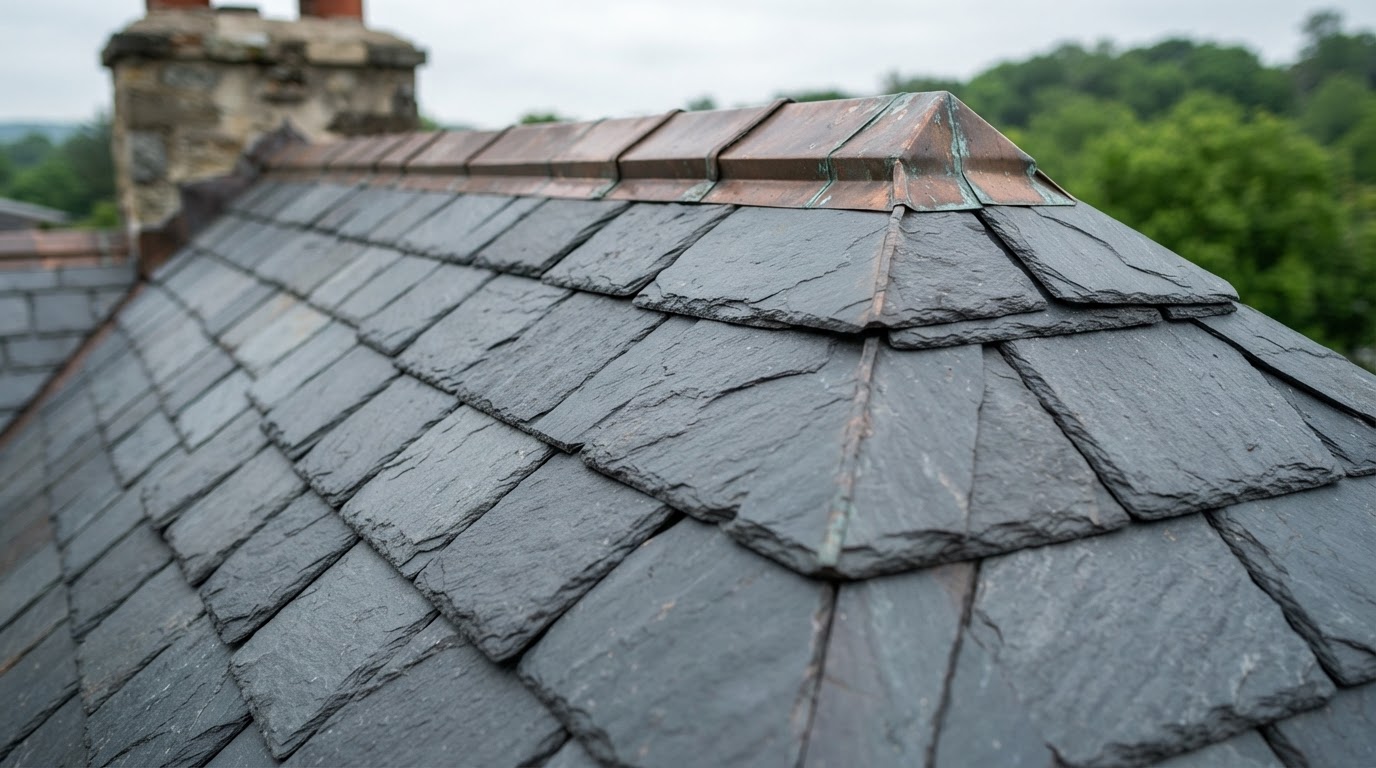
The Garden District's architectural variety shows up in the roofs. Complex geometry, multiple roof planes, dormers, and prominent chimneys create more intersections where flashing and transitions matter. Drainage across valleys, ventilation in older attic assemblies, and the condition of the existing roof covering all influence what a project should address.
Varied, not uniform
Concealed conditions — decking or framing damage hidden beneath the covering — are flagged as potential findings until the roof is opened, rather than assumed from appearance alone.
Assessment and Roofing Process in the Garden District
Documenting existing conditions, material options, repair scope, project access, and workmanship considerations.
Existing Conditions
The current covering, flashing, penetrations, and visible signs of wear, damage, or prior repairs.
Material Options
Replacement or repair materials evaluated against roof slope, geometry, and the existing assembly.
Repair Scope
Whether a targeted repair, partial replacement, or full replacement fits the condition found.
Project Access
Access, staging, and protection of architectural features during the work.
Workmanship
Installation in keeping with the agreed scope and applicable product instructions.
Historic District and Jurisdiction Planning
The Garden District is a recognized local historic district — review depends on designation and work type.
Because the Garden District is a recognized local historic district, applicable exterior roofing changes may require historic review through the City of Montgomery's Architectural Review Board or Historic Preservation Commission, depending on the property's designation and the type of work. That review is separate from ordinary building permitting.
Current city requirements are verified rather than assumed, and this page does not imply that routine maintenance and material changes necessarily follow identical approval procedures — the applicable process depends on the specific property and work. A roofing contractor does not independently approve changes to historic architecture, and this page does not promise approval of any proposed material or design.
Roofing Decisions for Homes in Montgomery's Garden District
Material selection, flashing and drainage on established homes, and historic review before visible exterior changes.
Roof Replacement and Material Selection in the Garden District
Garden District homes show a range of roof shapes and transitions, and a replacement material is chosen against the specific roof — its slope, the existing assembly, and the home's architectural character — rather than a uniform neighborhood default. Architectural shingle replacement is a common residential option, while standing-seam metal is weighed where the roof and style suit it and any applicable review permits. Not every home shares the same architectural style or restrictions, so the recommendation follows the roof that is actually evaluated. The residential roof replacement overview covers how that comparison is approached.
Flashing and Drainage on Established Homes
Multiple roof planes, dormers, and chimneys create intersections where water management depends on flashing, and roof-edge and drainage details affect how water moves off the roof and into gutters. Existing decking condition is reviewed as part of the scope, since concealed deterioration is not visible until the roof is opened. The goal is to maintain the roof's appearance while addressing performance — a sound roofing assembly protects the character-defining features beneath it. For active leaks, the roof leak repair process distinguishes the visible interior stain from the likely exterior entry point.
Historic Property Review Before Roofing Work
Because the Garden District is a recognized local historic district, visible exterior roofing changes may require additional consideration on designated properties. That review is separate from ordinary building permitting and is confirmed for the specific property and work type rather than assumed across the neighborhood. Current City of Montgomery requirements are verified before any approval assumption is made, and this page does not promise that a proposed material or design will receive approval. The related Old Cloverdale page addresses the established historic district context nearby.
Roofing Questions About the Garden District
Local questions about roof replacement, historic designation, flashing, and material selection.
How is roof replacement approached in the Garden District?
Replacement evaluates the roof's condition, existing layers, decking, flashing, and ventilation, with material options weighed against the roof's geometry and the existing assembly. Where historic designation applies, any additional review is confirmed for the specific property.
Does living in the Garden District mean my roof work needs historic review?
The Garden District is a recognized local historic district, so applicable exterior roofing changes may require review — but whether a specific project needs it depends on the property's designation and the work type. Current city requirements are verified per parcel rather than assumed.
Can new shingles match the existing roof on a Garden District home?
Shingle matching depends on product availability, color, and profile, and even a same-color product may weather differently from the existing roof. Where a partial replacement is under consideration, the visual transition is discussed as part of the scope.
Why does flashing matter on Garden District roofs?
Complex roof geometry creates more intersections where water management depends on flashing. Chimneys, valleys, dormers, and roof-to-wall transitions are common leak paths on homes with traditional detailing and are evaluated as part of any repair or replacement.
How is drainage evaluated on a Garden District roof?
Drainage across valleys, gutters, and roof edges is reviewed for obstructions, proper flow, and condition. Ponding or concentrated flow at a valley can stress flashing and the roof covering, and drainage is part of the assessment.
What if I have an active roof leak in the Garden District?
A leak investigation distinguishes the visible interior stain from the likely exterior entry point. Water can travel along framing or decking before appearing on a ceiling, so the location of the stain does not by itself identify the entry point.
How do I choose roofing materials for a Garden District property?
Material selection is weighed against roof slope, the home's architectural character, compatibility with the existing assembly, and any applicable review. Standing seam, architectural shingles, and other options are evaluated against the actual roof — not applied as a default.
How do I schedule an inspection or quote for a Garden District roof?
Use the quote form on this page or the Contact page. Include the property location, the roofing concern, the existing material if known, and any historic-designation status already confirmed. The inquiry starts the assessment process.
The Garden District in Montgomery
Accurate neighborhood geography and related nearby service areas.
The Garden District is a residential neighborhood and recognized local historic district within Montgomery, Alabama.
Request a Garden District Roofing Quote
Share the property location, the roofing concern, the existing roof material if known, and any historic-designation status already confirmed. An assessment documents the visible conditions and helps determine the right scope for the property.