
Shingle, Metal & Commercial Roofing Lowndesboro
Lowndesboro is a town in Lowndes County, and this page gives particular attention to roof replacement decisions for established properties and varying building configurations — without claiming every property is historic or subject to preservation restrictions. Replacing a roof on an older structure can involve existing framing and decking, roof slope, material weight and compatibility, roof-edge details, flashing integration, previous roofing layers, ventilation, and water-management components that go beyond the visible covering. A roof contractor does not determine structural adequacy without the appropriate professional evaluation; preservation or appearance considerations are discussed generally, and any specific historical designation, material restriction, or approval requirement is verified for the actual property through the applicable authority. Town requirements are distinguished from county-level requirements, and City of Montgomery rules are not borrowed for a Lowndesboro address.
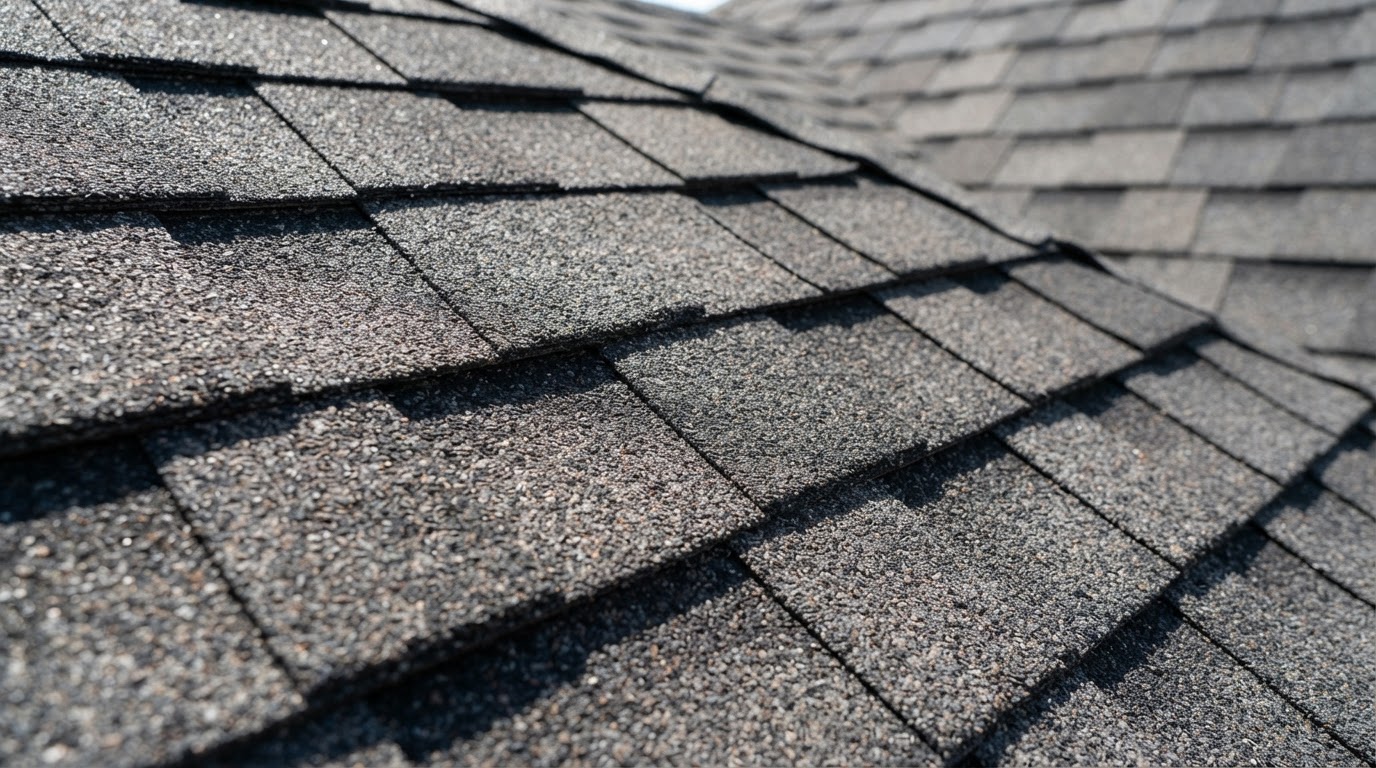
Shingle Roof Repair and Replacement in Lowndesboro
Residential shingle repair and replacement, standing-seam metal, flashing integration, valleys, drainage, and roofing for detached structures — evaluated for the established property.
Residential Roof Replacement
A full re-roof on an established building evaluates framing, decking, underlayment, flashing, layers, ventilation, and material compatibility before a new system is installed.
Learn moreArchitectural Shingles
Laminated dimensional shingles weighed against the roof's slope, style, budget, and compatibility with the existing assembly.
Learn moreStanding-Seam Metal Roofing
Concealed-fastener standing seam selected against slope, style, and material weight — evaluated for compatibility with the existing structure.
Learn moreRoof Flashing Integration
Flashing at chimneys, valleys, pipe boots, and roof-to-wall transitions is evaluated as part of the replacement, not as an add-on.
Learn moreRoof Valleys & Drainage
Valleys, roof-edge details, and the drainage that moves water off the roof are part of the roof system and are reviewed together.
Learn moreMoisture & Decking Evaluation
When the roof is opened, decking is inspected for soft or water-damaged sheathing, and moisture entry is traced to its likely source.
Learn moreRoofing for Detached Structures
Garages and similar detached structures may use a different roof system than a primary residence — evaluated for the specific structure.
Learn moreRoof Inspections
A documented condition assessment supports repair, replacement, or maintenance decisions for the specific roof.
Learn moreRoofing Considerations for Established Properties in Lowndesboro
A roof replacement on an older structure can involve more than the visible covering — framing, decking, layers, slope, material weight, flashing, and ventilation all enter the decision.
Lowndesboro properties vary in age and configuration, and no roof is assumed old, historically regulated, or in poor condition from the address. A roof replacement on an established building may require careful evaluation of the existing framing and decking, roof slope, material weight and compatibility, roof-edge details, flashing integration, previous roofing layers, ventilation configuration, and the water-management components that move water off the roof. These are the conditions the specific roof actually shows — not conditions assumed at every Lowndesboro address. A localized defect with sound neighbors may be a repair; widespread deterioration, repeated leaks, soft decking, or multiple existing layers may favor replacement.
A roof contractor does not determine structural adequacy without the appropriate professional evaluation. Where framing, decking, or the structure's capacity to carry a different material is in question, the right course is a property-specific structural assessment — not an assumption that the existing framing will accept any replacement material. Preservation or appearance considerations may be discussed generally, but any specific historical designation, material restriction, or approval requirement is verified for the actual property through the applicable authority before it is described as mandatory. Architectural shingles and metal are compared on their merits — appearance, budget, slope suitability, and maintenance — not as a universal preference, and standing-seam and exposed-fastener panels are treated as distinct systems.
Structural adequacy is a separate question
Roof Flashing, Valleys, and Water Intrusion Near Lowndesboro
From assessment through material selection, scope, scheduling, and closeout — for the specific established property.
1. Describe the Property and Concern
The roofing concern, the property location, the roof material if known, and any established-building or detached-structure notes are shared up front.
2. Arrange an Assessment
An appropriate roof assessment is arranged, subject to availability — not promised as same-day or free.
3. Document the Existing Assembly
The covering, framing and decking where accessible, flashing, valleys, penetrations, layers, ventilation, and drainage are reviewed for the specific roof.
4. Trace Water Intrusion
A stain inside is separated from the likely entry point above — the visible evidence is distinguished from the probable source before any repair is prescribed.
5. Weigh Repair and Replacement
A localized defect may be repairable; widespread deterioration, repeated leaks, soft decking, or multiple layers may favor replacement.
6. Review Material Compatibility
Material weight, slope suitability, and compatibility with the existing assembly are weighed — and structural adequacy is referred for professional evaluation where it arises.
7. Prepare a Written Scope
A written scope reflects the actual findings — including flashing, valley, drainage, and any detached-structure work — rather than a generic package.
8. Approvals, Work, Closeout
Permit and jurisdiction are verified for the parcel; work is performed in keeping with the agreed scope, followed by cleanup and maintenance guidance.
Planning a Roof Replacement in Lowndesboro
Town requirements are distinguished from county-level requirements — and no historic district standard or exemption is applied without verification for the actual property.
Lowndesboro is a town in Lowndes County, and town requirements are distinguished from county-level requirements. Whether a given roofing project requires a permit, inspection, or other approval depends on the work's scope and the specific property's jurisdiction — and the applicable Town of Lowndesboro or Lowndes County authority is confirmed per parcel through current official sources before any permit rule is stated as definite. No historic district standard or exemption is applied without verification for the actual property; the City of Montgomery's published guidance is not automatically applied to a Lowndesboro address. A roof project is planned against the actual authority for the parcel, not a borrowed rule.
For an established or older property, any historical designation, material restriction, or approval requirement is verified for the actual property through the applicable authority before it is described as mandatory — an older building is not assumed regulated from its age. Where structural adequacy is in question, a property-specific structural assessment is the right course rather than an assumption that the existing framing will accept any replacement material. Property owners are not directed onto damaged or unsafe roofs; safe observation from the ground and documentation of visible conditions are appropriate, and an assessment is arranged subject to availability rather than promised as same-day or free.
Roofing Material Choices for Lowndesboro Homes and Buildings
Matching roof materials to building design, evaluating aging roofing components, and planning improvements on architecturally significant Lowndesboro properties.
Matching Roof Materials to Building Design
Lowndesboro's varied residential architecture means the roof material follows the building rather than the community. Asphalt shingles suit many steep-slope homes where the slope, appearance, and budget align, while suitable metal roofing — standing-seam or exposed-fastener, each evaluated for its own fastening and maintenance — is considered where the roof pitch and the home's design fit. The recommendation weighs roof slope, the existing assembly, the appearance the owner wants, and the upkeep an owner is prepared to keep, and no material is presented as universally superior. The metal roofing and roof replacement pages describe how that selection is approached.
Evaluating Aging Roofing Components
On an older or established property, the components beneath the covering matter as much as the covering itself. Decking condition — whether the sheathing is solid or shows softness and water damage — the flashing at edges and penetrations, the roof edge details, and any water-damaged components are evaluated rather than assumed sound from the shingle surface alone. A ceiling stain is a prompt for an assessment, not a diagnosis, because water can travel along framing before it appears indoors. The goal is to identify the actual source and the actual condition before any repair or replacement scope is built, so the recommendation reflects the specific roof rather than a generic package.
Planning Improvements on Architecturally Significant Properties
Some Lowndesboro properties have architectural significance or applicable preservation considerations, but not every building is historic or subject to special restrictions. Where a property may carry a designation, an easement, or exterior-alteration requirements, the owner is advised to verify any actual designations or approvals with the appropriate authority before changing roofing materials or the exterior appearance — the roofing assessment does not by itself determine preservation requirements. No blanket historic restriction is imposed, and no single roofing material is described as universally required or prohibited. The roofing decision and any preservation review are kept as separate, property-specific steps.
Roofing Questions About Lowndesboro
Local questions on replacement for older buildings, shingle versus metal, flashing and valleys, deck condition, material compatibility, drainage, and permit authority.
What does a roof replacement on an older Lowndesboro building involve?
It can involve more than the visible covering — existing framing and decking, roof slope, material weight and compatibility, roof-edge details, flashing integration, previous roofing layers, ventilation, and water-management components. Sound decking does not require replacement, and not every replacement involves total decking work. The scope reflects what the specific roof actually shows, not a generic package or an assumption from the building's age.
How do I choose between architectural shingles and metal for an established property?
Architectural shingles are a common residential choice for appearance and budget; standing-seam metal is durable where the roof's slope and style suit it. Material weight and compatibility with the existing assembly matter on an established building — a heavier or different material is not assumed to fit without evaluation. The recommendation follows the actual roof, the owner's goals, and any verified property-specific requirements — not a universal preference.
How are flashing and valley repairs handled during a replacement?
Flashing at chimneys, pipe boots, vent stacks, and roof-to-wall transitions, and the valleys where two roof planes meet, are part of the roof system. During a replacement, flashing and valleys are evaluated for replacement, repair, or reuse as the assembly requires — not left to caulk as a universal fix. A stain inside rarely maps directly to the entry point above, because water can travel along framing before it appears.
What if the existing roof deck is damaged?
When the roof is opened, decking is inspected for soft, warped, or water-damaged sheathing. Soft decking may be addressed within the agreed scope, but sound decking does not require replacement, and not every roof replacement involves total decking work. Where framing or structural capacity is in question, a property-specific structural assessment — not an assumption — is the right course.
Is a metal roof compatible with every established property?
Compatibility depends on the roof's slope, the existing assembly, material weight, the structure's substrate, and any verified property-specific requirements. Standing-seam and exposed-fastener panels are distinct systems with different installation methods, appearances, and upkeep. Metal is not noise-free or maintenance-free. The roof's design and the owner's goals drive the recommendation, not a universal preference for metal.
How are roof drainage and water intrusion evaluated?
Roof-water entry is distinguished from wider site drainage concerns — gutters, downspouts, foundation, or surface drainage — before a scope is developed. Valleys, roof-edge details, and the drainage that moves water off the roof are part of the roof system. A stain inside is separated from the likely entry point above, and the actual source is identified before any repair is prescribed.
How are permits and possible property-specific restrictions confirmed for a Lowndesboro property?
Lowndesboro is a town in Lowndes County, and town requirements are distinguished from county-level requirements. Whether a project needs a permit or inspection depends on the scope and the specific property, and the applicable Town of Lowndesboro or Lowndes County authority is confirmed per parcel through current official sources — not borrowed from the City of Montgomery. Any historical designation, material restriction, or approval requirement is verified for the actual property before it is described as mandatory.
Lowndesboro in the Region
An accurate Lowndes County town reference and related nearby service areas.
Lowndesboro is a town in Lowndes County, Alabama. This page describes roofing considerations for established properties in Lowndesboro — it does not represent a branch office or an official community boundary. Hayneville and Fort Deposit are separate Lowndes County communities and are not treated as the same location; no property is assumed historic or regulated from the address.
Regional coverage context only · Lowndes County town · not a contractor office or fabricated boundary
Request a Roofing Quote in Lowndesboro
Share the property location, the roofing concern, the roof material if known, and any established-building or detached-structure notes. An assessment documents the existing assembly, weighs repair against replacement and shingle against metal, refers structural adequacy to the appropriate professional evaluation where it arises, and confirms the applicable Town of Lowndesboro or Lowndes County authority for the specific parcel — without inventing a historic restriction that has not been verified.